

Fire Hydrants
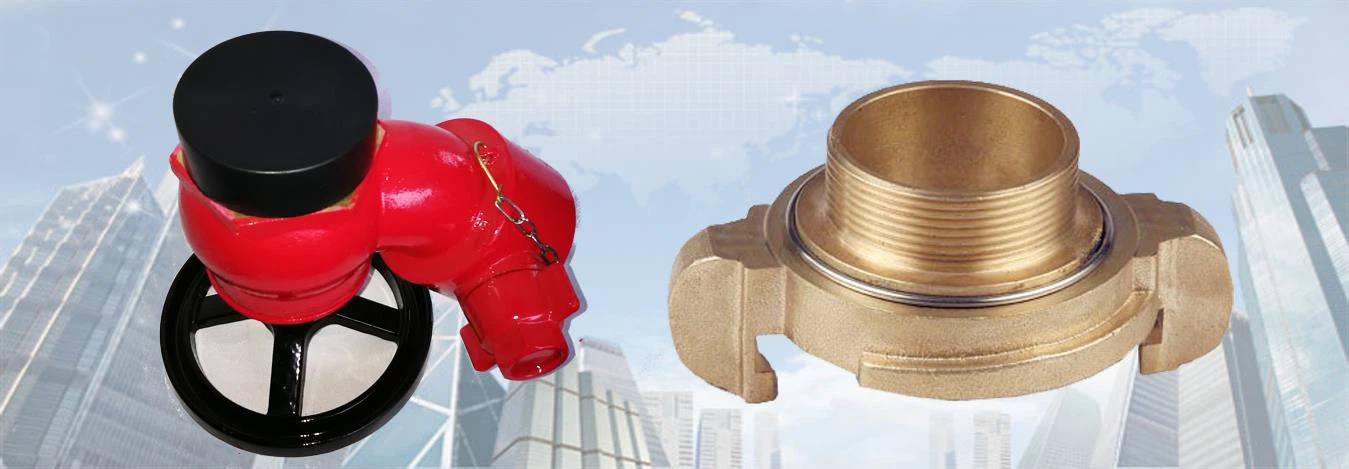
Product introduction of Fire Hose Angle Valve Angle hose valves are designed for use with a fire hose rack assembly, or, as a fire department outlet connection. Available in 11/2" and 21/2" varieties.
What Is Fire Hydrants
A fire hydrant is a point where firefighters can get access to and connect into a water supply. It maybe underground or a pillar type above ground. A hydrant is an important component of active fire fighting. Therefore it is important that fire hydrants are not obstructed and are kept in good working order.
Advantages of Fire Hydrants
Quick Access To Water
Fire hydrants provide firefighters with a readily available water supply in the event of a fire. This helps extinguish the flames quickly and prevents the fire from spreading to nearby buildings.
Fire Pressure
Fire hydrants are connected to the water main and are designed to provide high-pressure water flow, which is critical to effective firefighting efforts.
Strategic Placement
Fire hydrants are strategically located throughout the city and suburbs, ensuring fire equipment has easy access to water.
Public Safety
Fire hydrants can also serve as a visual deterrent, reminding people of the importance of fire safety and the availability of emergency resources.
-
![Fire Hydrant Standpipes]() Fire Hydrant Standpipes1.Product introduction of Fire Hydrant Standpipes Standpipes are available in single or double outlet 65mm female instantaneous to BS 336 and are connected to the shaft with a 65mm Male and Female...read more
Fire Hydrant Standpipes1.Product introduction of Fire Hydrant Standpipes Standpipes are available in single or double outlet 65mm female instantaneous to BS 336 and are connected to the shaft with a 65mm Male and Female...read more -
![Fire Hydrant Key And Bar]() Fire Hydrant Key And Bar1. Product introduction of Fire Hydrant key and bar Hydrant Key and Bar are used on underground hydrant and sluice valves. Adaptors may be supplied for use on other hydrant valves. 2.Product...read more
Fire Hydrant Key And Bar1. Product introduction of Fire Hydrant key and bar Hydrant Key and Bar are used on underground hydrant and sluice valves. Adaptors may be supplied for use on other hydrant valves. 2.Product...read more -
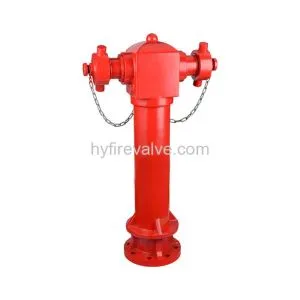
![2 Way Pillar Fire Hydrant]() 2 Way Pillar Fire Hydrant1.Product introduction of 2 Way Pillar Fire Hydrant The fire hydrant can be fitted with an underground 4” gate valve with spindle cap (sluice valve) and operated by using a hydrant key and bar...read more
2 Way Pillar Fire Hydrant1.Product introduction of 2 Way Pillar Fire Hydrant The fire hydrant can be fitted with an underground 4” gate valve with spindle cap (sluice valve) and operated by using a hydrant key and bar...read more -
![3 Way Pillar Hydrant]() 3 Way Pillar Hydrant1.Product introduction of 3 Way Pillar Hydrant The 3 way pillar hydrant designed to BS750, can be fitted with an underground 6” gate valve with spindle cap (sluice valve) and operated by using a...read more
3 Way Pillar Hydrant1.Product introduction of 3 Way Pillar Hydrant The 3 way pillar hydrant designed to BS750, can be fitted with an underground 6” gate valve with spindle cap (sluice valve) and operated by using a...read more -
![Dry Type Pillar Fire Hydrant]() Dry Type Pillar Fire Hydrant1.Product introduction of Dry Type Pillar Fire Hydrant Dry barrel design eliminates damage to the hydrant caused by freezing or corrosion of the upper part. Breakway design to prevent accidents to...read more
Dry Type Pillar Fire Hydrant1.Product introduction of Dry Type Pillar Fire Hydrant Dry barrel design eliminates damage to the hydrant caused by freezing or corrosion of the upper part. Breakway design to prevent accidents to...read more -
![Single Head Standpipes]() Single Head Standpipes1.Product introduction of Single Head Standpipes Single Head Standpipes are available from PAR in a number of different types. They screw onto the outlet of the underground hydrant,single outlet...read more
Single Head Standpipes1.Product introduction of Single Head Standpipes Single Head Standpipes are available from PAR in a number of different types. They screw onto the outlet of the underground hydrant,single outlet...read more -
![Double Head Standpipes]() Double Head Standpipes1.Product introduction of Double Head Standpipes The double headed standpipes are used to connect to the mains water supply by screwing the standpipes into a underground hydrant valve.The...read more
Double Head Standpipes1.Product introduction of Double Head Standpipes The double headed standpipes are used to connect to the mains water supply by screwing the standpipes into a underground hydrant valve.The...read more




Why Choose Us
Experienced Team
Our team of engineers and technicians has years of experience in the industry, and we leverage that expertise to provide our clients with the best possible solutions.
Exceptional Customer Service
We pride ourselves on providing exceptional customer service and technical support to our clients, ensuring that they have a smooth and hassle-free experience.
Quality Products
We use only the highest-grade materials and advanced manufacturing techniques to produce products that are reliable, durable, and perform to the highest standards.
Competitive Price
We have professional sourcing team and cost accounting team, stive to reduce cost and profit and provide you a good price.
Sustainable Development
Establish a good reputation and brand value in the industry, and promote the sustainable, stable, rapid and healthy development of the enterprise.
One stop solution
From the begining inquiry and throughout the entire process until you receive the goods. we are dedicated to supporting you every step of the way.
Types of Fire Hydrants
Here's an overview of fire hydrant types:

Dry Barrel Fire Hydrants
They are common in colder climates, providing additional protection against freezing. That is due to the water supply being isolated below the frost line, ensuring the hydrant's operational integrity even during extreme weather conditions.

Wet Barrel Fire Hydrants
They are ideal for regions where freezing is not a concern. They allow immediate access to water but must get drained and serviced more frequently to prevent contamination. Wet barrel hydrants generally get used in warmer regions where the advantages of quick water access outweigh the disadvantages of potential water stagnation.

Combined Sprinkler and Hydrant Systems
These systems provide a double layer of protection by combining the features of sprinkler systems with fire hydrants. That is particularly useful in multi-story buildings or facilities with complex layouts where a unified system can lead to quicker response times in a fire emergency.
The Importance Of Installation Butterfly Valve For Fire Hydrant
Large cities with dense settlements between buildings can trigger a variety of problems, one of which is fires. Fires in major cities can occur due to a variety of factors. Factors include burning public places, fire from stoves, flammable liquids, and small objects that are vulnerable to fire. Therefore, the presence of fire hydrants at strategic points is indispensable.
Installation of fire hydrants in a building is necessary to handle fires quickly and minimize the risk of damage due to spreading fire. There are various components required in the installation of fire hydrants in a building. These components are reservoir, hydrant pump, hydrant pillar, hydrant box and control panel. In addition, a valve is also required to regulate the rate of water in the pipe.
Valve is a tool used to regulate, direct, and control the flow of liquids.
The way the valve works is to open and close the valve in the pipe that serves as a regulator of the amount of fluid flowing. In fire hydrant, the commonly used valve is butterfly valve.
At first, the butterfly valve was only installed on low-pressure pipes. With advances in technology, especially in the field of elastomers (elastic polymer), this type of valve can be applied to high-pressure pipes. Butterfly valve is very flexible to use because in addition to being watered for fire hydrant, but also can be watered by various other types of objects such as liquids, gases, even mud with various levels of pressure and temperature.
Each valve has its own opening system. Generally for valves measuring 14 inches using two types of manual operating systems, namely gear and lever. Valves with gear operation have a more complex system. In gear operation, worm gear installation is generally performed to facilitate the opening and closing of valves. This allows the valve to open and close perfectly in just a few rounds. Valve with gear operation is suitable for high pressure pipe. YUTA has various valves with gear operation including G-PN25DJE, G-250DJ, G-200DJ, and G-PN16XJME series.
In lever operation, valve opening and closing use quarter-turn system. In one round of 90o, the valve will be completely closed. One of the advantages of valves with lever operation is that it allows for partial opening and closing. This feature is especially useful for projects that require accurate measurement. However, lever operation requires more space and tends to be prone to damage making it unsuitable for application at high flow pressures. YUTA also has a variety of valves with lever operation among them is the PN16DJL series.

In some lines of thought, a fire hydrant is similar to the average kitchen faucet. Just like how an open faucet retrieves water from the water line beneath your home, a fire hydrant is the point of expulsion from the city's main potable water supply line. Fire hydrants are basically large valves.
Each device has 4 essential components: the valve seat, valve stem, pumper nozzles, and an operating nut that opens and closes the valves.
In the instance of a fire, a city's local fire department arrives on scene with a firetruck and parks it next to the closest hydrant to the site of the blaze. Using a special pentagonal wrench, a fireman first removes the pumper nozzle caps on the exterior of the hydrant. He then attaches a firehose and uses the same wrench to turn the operating nut (also on the exterior of the hydrant). By turning this nut, the hydrant valve opens and pressurized water escapes through the firehose.
It's important to note that the amount of water provided by the hydrant depends on the size of the supply pipe. In addition, the pressure of the water is entirely dependent upon the network of underground piping supplied by your local municipality or water purveyor.
In order to maximize all the water available to you, the valve needs to be opened all the way. If a fire hydrant isn't providing adequate pressure, it may need to be repaired.
Per NFPA 291, the body of all public fire hydrants should be chrome yellow, unless another color has already been adopted as a standard for the community. A fire hydrant fresh from the factory is typically this chrome yellow color to make it highly visible.
The color-coding scheme usually comes into play on the tops and nozzle caps, though it may also show up in the color of the hydrant body. We'll show you examples of both types of color coding below. The colors indicate the rated water-flow capacity of that particular hydrant:
Red indicates a water-flow capacity of fewer than 500 gallons per minute (GPM).
Orange indicates a water-flow capacity of 500 to 999 GPM.
Green indicates a water-flow capacity of 1,000 to 1,499 GPM.
Blue indicates a water-flow capacity of 1,500 or greater GPM.
Based on the color, firefighters can determine the appropriate pump operations for that hydrant, and whether a different hydrant would provide better water flow.

Aside from being the historically-preferred location for canine bladder relief, fire hydrants serve an important function in providing access to a water supply system.
Bonnet
The conical cap for the hydrant, or bonnet, holds the operating stem nut in place and protects the hydrant from mechanical damage and water penetration.
Branch
The branch pipe serving the hydrant from the city main is one restriction for the overall capacity of a hydrant. While older systems often connect hydrants with 4-inch branch pipe, a minimum of 6-inch pipe should be used to limit pressure loss and permit greater flow capacity. Our friction loss tool can be helpful in estimating loss through these pipes.
Flange
The flange at the base of the hydrant is the point of connection for the hydrant to the rest of the barrel.
While the dimension from the bonnet to the flange of the hydrant is standard, the height of the flange becomes important during installation as it determines the height of the outlets. Because hydrants need to be quickly accessed during an active fire, hydrant outlets need to be installed tall enough to allow a full-revolution of a hydrant wrench from the lowest outlet.
Hydrant Color
Some jurisdictions paint hydrants or hydrant bonnets to identify the capacity of the hydrant.
NFPA 291, the Recommended Practice for Fire Flow Testing and Marking of Hydrants, suggests hydrant colors as Red/Class C, Orange/Class B, Green/Class A, and Light Blue/Class AA for Less than 500 gpm, up to 1,000 gpm, up to 1,500 gpm, and 1,500 gpm and more, respectively (NFPA 291-2019 5.2.1.2).
Outlets
A traditional dry barrel fire hydrant contains three outlets: two 2 1/2-inch (65 mm) side outlets and a single 4 1/2-inch (115 mm) or 6-inch (150 mm) "pumper" outlet. The latter outlet gets its name as it is often the preferred choice for the fire department to connect and feed pumper trucks.
The size and number of the outlets serve as one limit to the capacity of the hydrant. While the typical hydrant described above is the most common type, other combinations certainly exist - downtown St. Louis, for instance, have hydrants with only a single pumper outlet.
Stem Nut
The stem nut is the key to operating the valve within the hydrant. Typically shaped as a pentagon, the stem nut will turn the operating stem of the hydrant and raise the valve to an 'open' position when turned with a hydrant wrench.
Thrust Block
Unless mechanically restrained, thrust blocks serve as a way to distribute the hydraulic force of the pipe network into the soil. Our thrust block calculator can be helpful in sizing these blocks.
Valve
When in the 'open' position, the valve at the bottom of a dry barrel hydrant rises to plug drain holes and simultaneously permit water to fill the barrel of the hydrant.
When in the 'closed' position, the valve lowers to block water passage and re-open drain holes at the bottom of the hydrant. These drain holes act as weeps which slowly drain the hydrant barrel and help prevent freezing.
The Importance of Fire Hydrant Maintenance
In the hustle and bustle of our daily lives, it's easy to overlook the unsung heroes that stand silently on our streets, ready to spring into action when disaster strikes. We're talking about fire hydrants - those bright yellow sentinels that ensure the safety of our homes and businesses. At the Statesville Fire Department, we believe in the power of proactive maintenance, and today, we're shedding light on the crucial topic of fire hydrant maintenance.
Lifelines in Disguise
Fire hydrants may blend into the urban landscape, but they play a vital role in firefighting operations. They provide the necessary water supply to extinguish fires swiftly and efficiently. A well-maintained hydrant can mean the difference between containing a fire and a full-blown disaster.
Regular Check-Ups
Just like any piece of equipment, fire hydrants require regular check-ups to ensure they function optimally. Our dedicated team at the Statesville Fire Department conducts thorough inspections to identify and address issues such as:
◆ Water Pressure: We test the water pressure to ensure it's sufficient for firefighting purposes.
◆ Visibility: Hydrants should be easily visible and accessible. Overgrown vegetation or obstructions can delay response times.
◆ Leaks and Corrosion: Any sign of leaks or corrosion is promptly addressed to prevent further damage.
Community Safety
Fire hydrant maintenance isn't just about protecting property; it's about safeguarding lives. By ensuring that every hydrant is in working order, we're better equipped to respond to emergencies swiftly, potentially saving lives in the process.
Collaboration With The Community
We're proud to work hand in hand with our community to keep it safe. If you notice a hydrant that appears damaged or in need of attention, please don't hesitate to report it. Your vigilance can make a significant difference.
Emergency Preparedness
During maintenance, we understand that some areas may experience temporary inconveniences due to road closures or restricted access. Rest assured, our emergency response capabilities remain fully operational. In case of an emergency, always dial 911 immediately.
Scheduled Maintenance
We will be performing fire hydrant maintenance during during the last two weeks of September.

While it may appear that this runs counter to our water conservation philosophy, the periodic “flushing” of fire hydrants is an important preventative maintenance activity that helps to insure the integrity of the water system and to provide the highest quality water to our customers. More specifically, hydrant flushing serves the following purposes:
•Flushes sediments from water main pipes, thus enhancing water quality.
•Verifies that fire hydrants and valves are working properly and that ample water flow is available for firefighting needs.
•Aids in determining weaknesses in water pipes and related fittings and valves.
What Fire Hydrant Made Of
Fire hydrants are an essential part of any community's fire prevention and suppression system. They serve as a vital resource for firefighters as they help regulate and control the flow of water for firefighting purposes. Fire departments are only as effective as their equipment, and fire hydrants are undoubtedly one of the most crucial pieces of equipment.
Fire hydrants are typically constructed of different materials to withstand the demands of their environment. The main components of a fire hydrant include a valve, a stem or spindle, a bonnet, a barrel, and a head or hydrant outlet. Each of these parts is constructed with materials that have a specific purpose.
The barrel or body of the fire hydrant is the main component that is visible above ground. It is typically made of cast iron or ductile iron, making it strong and sturdy. Cast iron is sturdy, durable, and can withstand high-pressure water flows without deforming or cracking. Ductile iron is a newer technology and has become the preferred material choice because it is more impact-resistant and has superior strength.
The bonnet is the part of the fire hydrant that covers the opening where the hydrant is connected to the water supply. It is usually made of bronze, which is a durable metal that is resistant to corrosion. The bonnet has two separate openings, which allow the firefighters to control the flow of water as required.
The hydrant outlet or head is typically made of bronze or brass, metals that are conductive and resistant to corrosion. Bronze and brass fittings are preferred due to their ability to withstand high-pressure water flows, reduce friction losses, and last an extended period compared to other materials.
The valve of a fire hydrant is responsible for controlling the flow of water from the hydrant. It is typically made of ductile iron or brass since both materials can withstand high-pressure water flows. The valve stem or spindle is essential for opening and closing the valve, and it is usually made of stainless steel or brass.
Fire hydrants typically require routine maintenance since they are exposed to weather and subject to abuse. Maintenance includes flushing of hydrants to remove sediment or debris that may accumulate in the water pipes over time. The surface of the hydrant is also treated with coatings to protect it from the harsh elements it encounters.
Fire hydrants primarily serve as a means for firefighters to secure a continuous water source for firefighting purposes. Hydrants also play a role in the operation and maintenance of the water system, including allowing workers to flush water mains when necessary.
Hydrant Flushing Program
The Public Works Department typically conducts its two-week Hydrant Flushing Program in the early fall. Crews inspect, operate, and flush every one of the over 1,700 Village-owned hydrants on the water system. To minimize inconvenience to our water customers, crews conduct main flushing during the later evening hours when water demand is typically its lowest. Crews will post hydrant-flushing signs in the service area where they are working to notify residents that flushing will occur that evening. The annual hydrant program is a standard water utility practice that ensures safe, clean, and clear water throughout the year.
Fire hydrants are flushed in order to remove iron oxide and other naturally occurring minerals that have settled at the bottom of water mains during periods of low water demand. These minerals are the reason for occasional incidents of discolored water. Our crews solve this problem by opening hydrants to allow water pressure to flush out oxides and sediment until the discoloration disappears.


● Types of Fire Hydrant Tests
Static Pressure Test
This test is performed by attaching the static pressure assembly to the standpipe, ensuring the vent cock is open. Then, while the vent cock is closed and the standpipe is free of air, the hydrant is opened.
A pressure reading is taken while the hydrant remains closed. However, the vent cock is then left open to release the pressure before the standpipe assembly is removed.
Flow Test
When taking a flow test, the main is flushed for approximately a minute to clear any debris blocking the flow sensor. Then, the flow tube is attached to the hydrant standpipe while the hydrant valve is kept fully open. The main is flushed, which then displays a digital reading to be taken.
Visual Inspection
A simple visual inspection includes the following:
Identifying the hydrant frame
The cover
The surface around the hydrant
Checking the indicator plate
Age of the hydrant
Where its located
The material the hydrant is made of
The Various Types of Fire Hydrant Repairs
There Are Three Main Ways To Repair a Fire Hydrant, Depending On Your Fire Hydrant's Level Of Damage
Carefully examine your fire hydrant's O-rings to make sure they are working properly. If they appear to be damaged and show signs of deterioration, it's time to replace them with new parts.
To ensure your fire hydrant runs smoothly, it is recommended to check the operating nut and stem annually and lubricate them whenever necessary.
Lastly, your fire hydrant's height can be affected by construction or landscaping work taking place nearby. These movements affect the fire hydrant's ground levels, causing changes to its height and affecting its function. When this happens, you need to adjust the fire hydrant's height and add a fire hydrant extension kit for this purpose.
Certifications


Our Factory
Hongye factory has 100 staff, including 20 professional management and technical staff,our workshops are all ISO 9001:2008 certified,covering foundry,forging,machining by CNC,deep drawing and punching in iron,mild steel,gunmetal/LG2 etc.The factory has the capability of self-development,design,production,sales and severice of fire fighting system,set up the whole process for product produce,quality control and son on.

FAQ
We're one of the most professional fire hydrants manufacturers and suppliers in China, mainly engaged in wholesale service. Welcome to buy quality fire hydrants here from our factory.
Painted Fire Hydrants, Single Head Standpipes, Fire Hydrants