

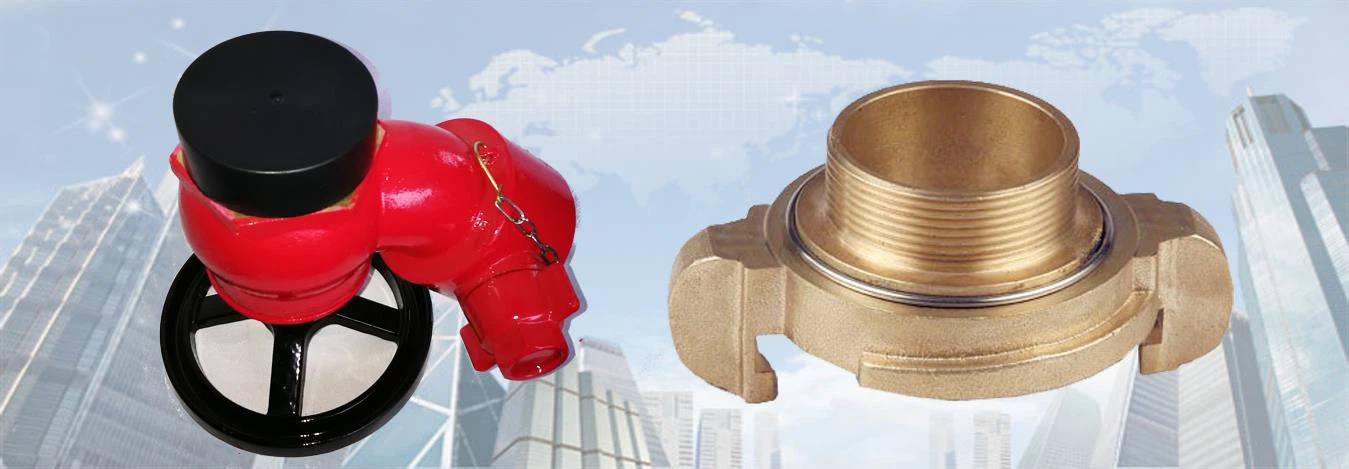
1. Appearance inspection
Valve surface: Check whether the outer shell of the valve is damaged, deformed, or corroded. For example, if a large area of rust is found on the surface of the valve, this may affect the sealing and operating performance of the valve; if there are obvious dents or cracks, it may cause the valve to leak when in use.
Identification: Confirm whether the identification on the valve is clear and complete, including the specifications, models, nominal pressure and other information of the valve. Unclear or missing identification may cause errors in subsequent maintenance or replacement of the valve.
Handwheel: Check whether the handwheel is intact and whether it is damaged, deformed or missing. The handwheel should rotate flexibly without sticking. If the handwheel is damaged, it will affect the normal opening and closing of the valve.
2. Sealing inspection
Static inspection: When the fire hydrant system is not in operation, observe whether there is leakage at the connection between the valve and the pipeline, the connection between the valve cover and the valve body, etc. It can be detected by applying soapy water to these parts. If bubbles are generated, it indicates that there is leakage.
Dynamic inspection: When the fire hydrant system is in operation, check the valve for sealing. Open the fire hydrant valve to make the water flow smoothly and observe whether there is leakage in each sealing part of the valve. During the inspection, pay attention to the water flow. If obvious water drops or water lines are found in the water flow flowing out of the valve sealing part, it indicates that the valve has leakage problems.
3. Operation flexibility inspection
Opening operation: Slowly turn the handwheel of the fire hydrant valve to open the valve. During the opening process, pay attention to the resistance of the handwheel rotation. Under normal circumstances, the handwheel rotation should be smooth and smooth, without obvious jamming or excessive resistance. If you feel that the handwheel is difficult to turn during the opening process, it may be caused by foreign matter inside the valve, rust on the valve stem or other faults.
Closing operation: After the valve is opened, slowly turn the handwheel to close the valve. Similarly, during the closing process, pay attention to the smoothness of the handwheel rotation and the feel when closing. When the valve is fully closed, the handwheel should be able to easily turn a short distance, which indicates that the valve is in the correct closing position and the valve has good sealing performance. If you feel that the handwheel turns abnormally during the closing process, or the handwheel can no longer turn after the valve is closed, it may be that the valve is faulty and needs further inspection and repair.
4. Pressure test
Test preparation: Before the pressure test, it is necessary to ensure that all valves in the fire hydrant system are in normal condition, the pipeline connections are firm, and there is no leakage. At the same time, it is also necessary to prepare the corresponding test equipment, such as pressure sensors, pressure gauges, pressure test pumps, etc., and ensure that the accuracy and reliability of these equipment meet the test requirements.
Test process: Gradually increase the pressure of the pipeline system where the fire hydrant valve is located through the pressure test pump. During the pressure increase process, pay close attention to the changes in the readings of the pressure sensor and the pressure gauge to ensure that the pressure rises at a uniform and stable rate to avoid damage to the valve and pipeline system caused by a sudden increase in pressure. When the pressure rises to the specified test pressure value, keep the pressure stable for a period of time (usually 5-10 minutes). During this period, conduct a comprehensive inspection of the valve to observe whether there is leakage, deformation or other abnormal phenomena in all parts of the valve.
Test result judgment: If the valve does not have any leakage, deformation or other abnormal phenomena during the pressure test, and the readings of the pressure sensor and the pressure gauge do not drop significantly during the period of time when the test pressure remains stable, it indicates that the pressure resistance of the valve meets the requirements and can operate safely and reliably under the specified working pressure. On the contrary, if the valve is found to be leaking, deformed or in other abnormal conditions during the test, or the pressure reading drops significantly, it indicates that there is a problem with the valve's pressure resistance performance. The valve needs to be repaired or replaced and pressure tested again until the valve's pressure resistance performance meets the requirements.